
OpenAI Releases GPT-6 Astra: What the 'Generational Leap' Means for Your Business

Quick Summary
- OpenAI released GPT-6 Astra on 4 September 2026, first to a limited set of organisations, then to ChatGPT Plus, Pro, Business and Enterprise, the API, Microsoft Azure and AWS Bedrock.
- OpenAI reports near-perfect scores on hard benchmarks (98 percent on FrontierMath Tier 4, 99.9 percent on ARC-AGI-3) and says the model is nearly twice as fast at computer use.
- OpenAI classed the model at its Critical threshold for cybersecurity capability, which is why the rollout was staged.
- For Sabah businesses, the model already sits inside the ChatGPT plan you have; the real question is whether you have workflows ready to use it.
Back in July the OpenAI story was about voice: GPT-Live models that could talk and listen at the same time. This month it is the main event. On 4 September 2026 OpenAI released GPT-6 Astra, which it describes as the most intelligent and aligned model in the world. OpenAI president Greg Brockman called it a generational leap. That is big language, so let me separate what is verifiable from what is marketing, and then get to the only question that matters for a business in Sabah: what do I do differently on Monday?
What OpenAI released
GPT-6 Astra is the successor to GPT-5.6 Sol. OpenAI says it brings together years of work on pre-training, reinforcement learning and alignment, with state-of-the-art results on computer use, browsing, software engineering, cybersecurity, science and professional work. The numbers it published are striking: 98 percent on FrontierMath Tier 4, 99.9 percent on ARC-AGI-3 and 100 percent on ExploitBench. Those are benchmarks that were designed to be hard for AI, and OpenAI says Astra essentially saturates them.
For ChatGPT users the practical changes are more down to earth. OpenAI says Astra is nearly twice as fast at computer use, meaning tasks where the AI operates apps and websites on your behalf, and that it handles complex workflows across professional documents, spreadsheets and presentations. It also calls Astra its best model for software engineering to date. In Codex, OpenAI's coding tool, Astra gets a new context feature that keeps details across sessions instead of re-summarising every time.
Who gets it and when
The rollout was deliberately staged. Astra went first to a limited set of organisations, then expanded over the following days to ChatGPT Plus, Pro, Business and Enterprise users, the OpenAI API, Microsoft Azure and AWS Bedrock. Usage is included in existing subscription allowances, with extra credits available for heavy users. OpenAI also said ChatGPT Voice can now hand harder questions to GPT-6 Astra when it needs to search or reason, and that deep research is now available inside ChatGPT Work.
The reason for the careful rollout is worth understanding. OpenAI classified Astra at the Critical threshold of its Preparedness Framework for cybersecurity capability. In plain language: the model is good enough at finding software vulnerabilities that OpenAI wanted guardrails and monitoring in place before opening the doors. That is the same tension Anthropic faced with Claude Fable 5 in June. The most capable models are now powerful enough that the companies building them are pacing their own releases.
The intelligence in artificial intelligence is still today very jagged.from Professor Toby Walsh, quoted by Al Jazeera, 4 September 2026
I include that quote because it is the honest counterweight. A model can score 99.9 percent on a reasoning benchmark and still make a silly mistake on your invoice. Benchmarks measure a narrow slice of what a business needs. Your judgement is still the last step.
What it means for a Sabah business
- If you pay for ChatGPT Plus or Business, you already have Astra. There is no upgrade to buy. The gain shows up in longer, messier tasks: turning a folder of supplier quotes into a comparison table, drafting a full proposal from a brief, or cleaning up a year of sales data in a spreadsheet.
- Computer use is getting practical. Nearly twice the speed means an AI that can fill forms, move between tabs and complete a multi-step job on a website is now fast enough to be worth trying for routine admin. Start with low-risk tasks and keep a human check at the end.
- The safety story is not just for Silicon Valley. The same capability that makes Astra good at cybersecurity research makes AI-assisted scams and intrusions easier for bad actors too. Malaysian SMEs should treat staff training on phishing and password hygiene as part of their AI plan, not separate from it.
- Do not let the AGI headlines distract you. Whether or not Astra is a step toward general intelligence is a debate for researchers. For your business the question is narrower and more useful: which three tasks eat your team's week, and can this tool take one of them off the table?
Your practical takeaway
Every few months a new model is called the most intelligent in the world, and every few months the businesses that get value from it are the same ones: the ones with clear workflows, good instructions and a habit of checking output. GPT-6 Astra raises the ceiling on what those workflows can do. It does not build the workflows for you.
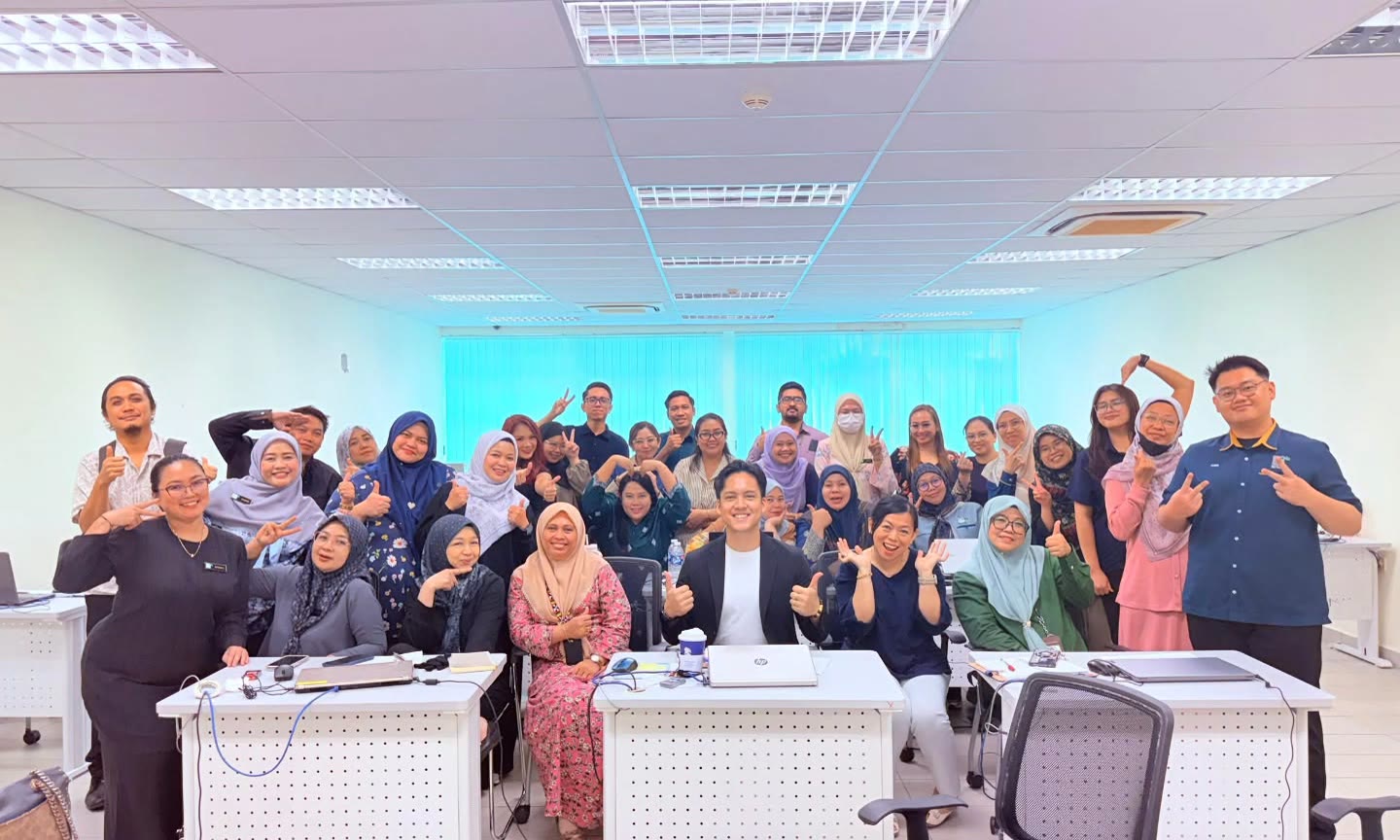
That is the gap we close at NextGen Training Academy. Our hands-on, HRDC-claimable AI workshops in Sabah put ChatGPT and Claude to work on your real documents, spreadsheets and customer conversations, so your team leaves with a system that gets better with every model release instead of starting from scratch each time.
Source: OpenAI

Written by
Edison Chua
HRD Corp certified AI trainer and founder of NextGen Training Academy, Kota Kinabalu. Trains Malaysian businesses to put AI to work - hands-on, in plain language.
Want To Put This To Work In Your Business?
That's exactly what we teach, hands-on and HRDC-claimable.